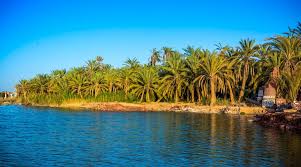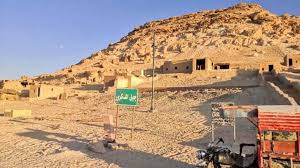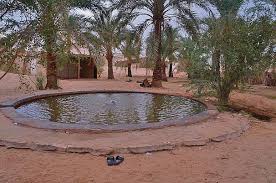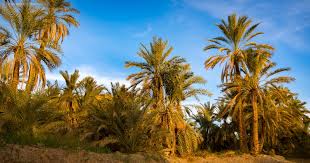
This remote paradise, home to around 30,000 people, offers a unique blend of stunning natural beauty, rich cultural heritage, and unparalleled therapeutic resources. With its ancient ruins, crystal-clear springs, vast palm groves, and legendary salt lakes, Siwa has captivated travelers for millennia.
From Alexander the Great who sought the Oracle of Amun here, to modern wellness seekers discovering its healing properties, Siwa continues to enchant all who visit.
Explore Siwa's most iconic landmarks

The Ancient Heart of Siwa
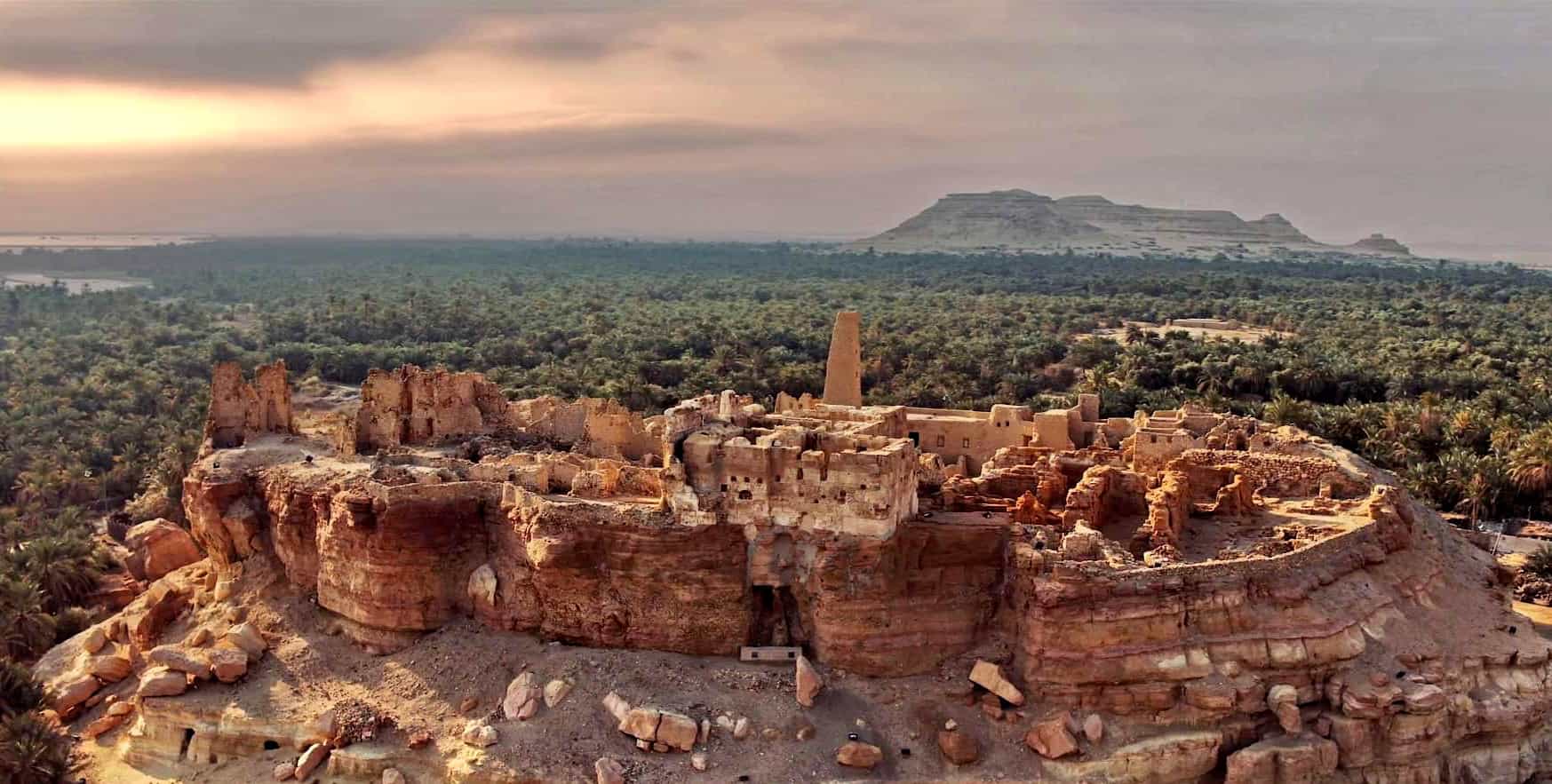
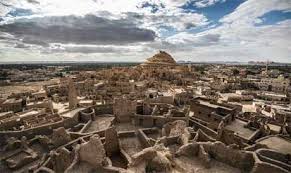
Built in the 13th century from kershef (mud and salt), this historic fortress once housed the entire Siwan community. Though largely in ruins after heavy rains in 1926, Shali remains a majestic testament to Siwa's past.

Where Alexander Sought Divine Wisdom
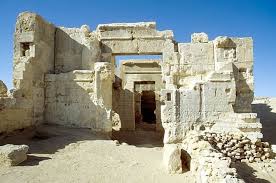
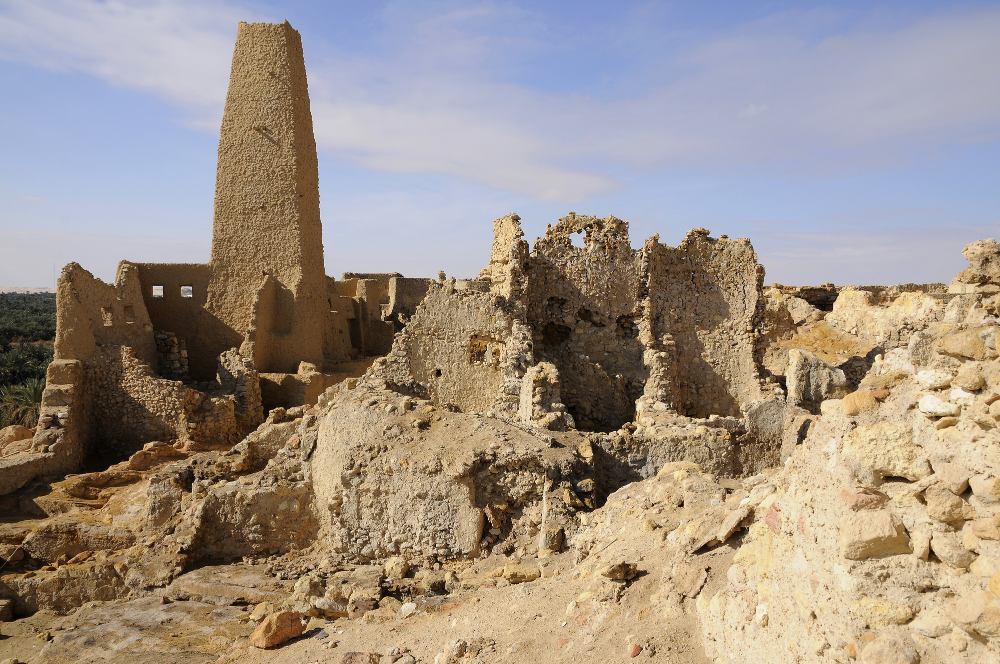
Dating back to the 6th century BC, this legendary temple was visited by Alexander the Great in 331 BC, who sought confirmation of his divine parentage from the Oracle of Amun.

The Queen's Bath
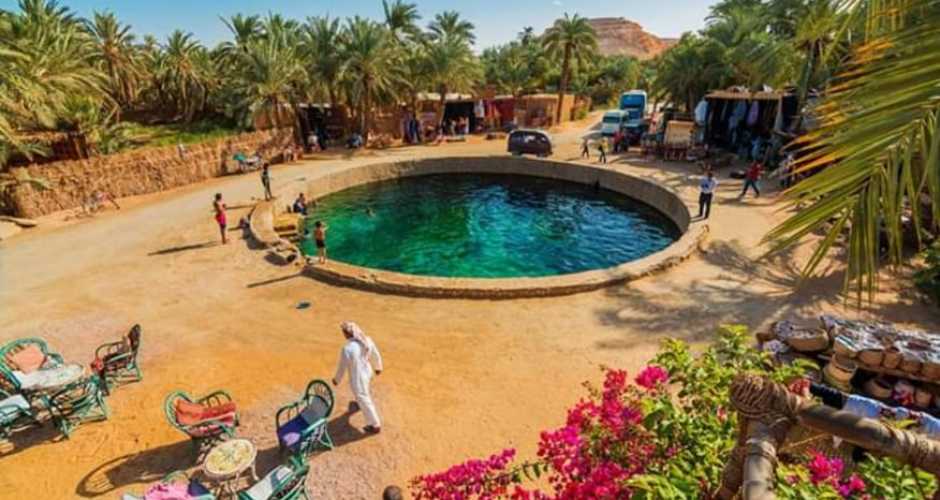
A natural stone pool fed by a warm spring, legend says Cleopatra herself bathed in these crystal-clear waters. Today, it remains one of Siwa's most popular swimming spots.

Endless Golden Dunes
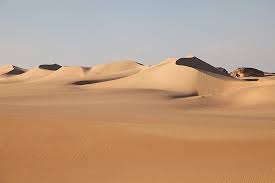
Stretching across Egypt and Libya, this vast expanse of pristine sand dunes offers adventures from sandboarding to desert safaris, with landscapes that seem from another planet.

Float Like the Dead Sea
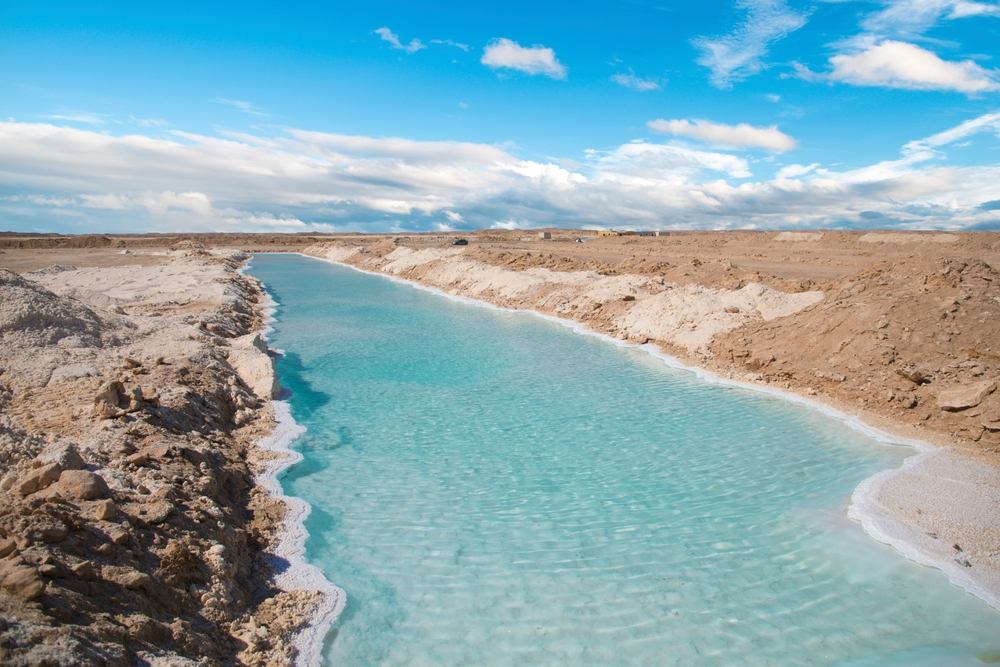
Siwa's numerous salt lakes contain such high mineral concentrations that floating is effortless. These lakes offer therapeutic benefits while providing unique swimming experiences.

Sunset Paradise
A small island surrounded by a natural spring-fed lake, Fatnas offers peaceful gardens, traditional cafés, and the most spectacular sunsets in Siwa.
Adventures and experiences await
Explore the Great Sand Sea in 4x4 vehicles, visit hot springs deep in the desert, and camp under millions of stars.
Climb Gebel Dakrur or the surrounding mountains for panoramic views and hot sand therapy sessions.
Rent a bicycle and explore palm groves, visit ancient ruins, and discover hidden springs at your own pace.
Experience psammotherapy, balneotherapy, and halotherapy using Siwa's natural healing resources.
Browse local markets for handmade silver jewelry, traditional embroidery, olive products, and dates.
Savor authentic Siwan cuisine including dates, olives, lamb dishes, and fresh organic produce.
Everything you need for a comfortable stay
Siwa Shali Hotels & Resorts - Our partner offering eco-friendly accommodation with traditional Siwan architecture, modern amenities, and organic dining.
Authentic Siwan cuisine featuring locally grown dates, olives, organic vegetables, and traditional dishes.
Blue Shali Wellness - Complete therapeutic services including psammotherapy, balneotherapy, and halotherapy.
Vibrant souks offering handmade crafts, silver jewelry, traditional clothing, dates, olive oil, and natural products.
Local hospital and medical clinics with trained staff, plus our specialized wellness medical team.
Essential modern conveniences while maintaining the oasis's peaceful, unplugged atmosphere.

Mountain famous for hot sand therapy. During summer, patients are buried in the sand for natural heat treatment.

Natural hot spring deep in the Great Sand Sea. Water emerges at 40°C, perfect for therapeutic bathing.

300,000 palm trees producing the famous Siwan dates. Walk through shaded paths and learn about cultivation.

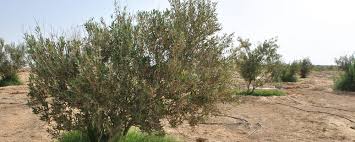
70,000 olive trees producing award-winning organic olive oil. Visit during harvest season (November).
Ancient village built on a rocky outcrop, home to the Temple of Amun and traditional Siwan houses.

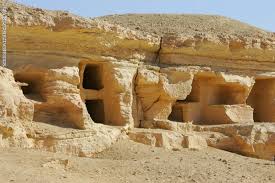
Ancient necropolis with rock-cut tombs dating back to Ptolemaic and Roman periods.
A unique heritage preserved through centuries
Siwans speak Siwi, a Berber language unique to the oasis. While Arabic is also spoken, the local language reflects Siwa's distinct cultural identity.
Siwan women wear beautiful hand-embroidered dresses and distinctive silver jewelry, while men wear traditional galabeyas.
The Siyaha Festival celebrates the date harvest each October, bringing the community together for three days of celebration.
Siwans are renowned for their warm hospitality, offering tea and dates to visitors as a gesture of welcome.